
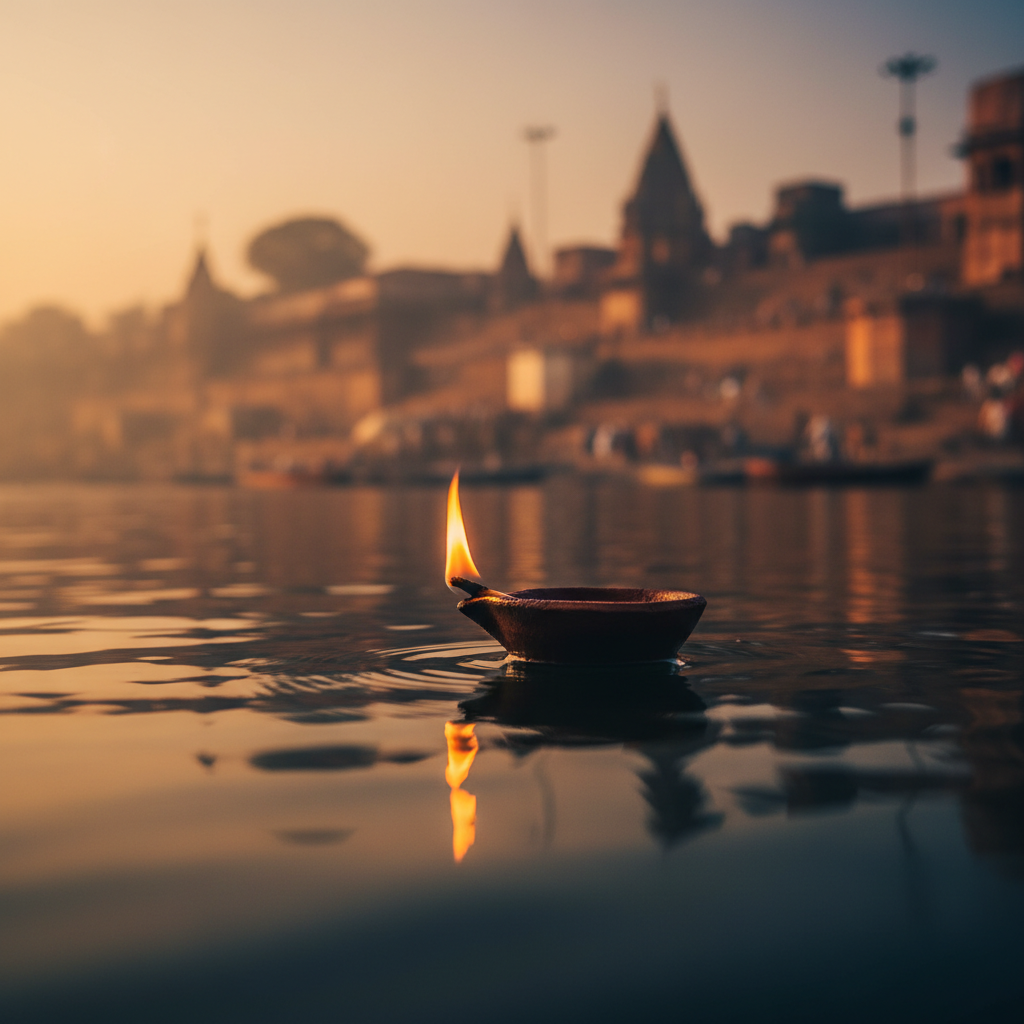
A comprehensive Varanasi sacred ghats pilgrimage guide focuses on visiting key riverfront locations like Dashashwamedh and Manikarnika to experience ancient rituals, sunrise boat tours, and the nightly Ganga Aarti. First time visitors can navigate these spiritual landmarks by following local advice on temple etiquette, cultural customs, and the best times for prayer and reflection along the Ganges.
Navigating the labyrinthine alleys and eighty-four ghats of Varanasi can feel overwhelming for even the most seasoned traveler. Without a clear plan, the spiritual depth of Kashi often remains hidden behind the crowds and sensory intensity. At Savitri Tours And Travels, we believe your first pilgrimage should be a moment of profound connection rather than logistical confusion. This guide serves as your expert advisor, mapping out the essential spiritual landscape of the city. You will discover the significance of the Pancha Tirtha; witness the transformative power of the Ganga Aarti at Dashashwamedh; and learn the delicate protocols of the liberation ghats. From choosing between a meditative boat ride and a traditional walking route to mastering essential local rituals, we provide the practical insights needed for a safe, respectful, and deeply moving experience in the oldest living city on Earth.
Understanding the Spiritual Map of Kashi
Varanasi, known traditionally as Kashi, remains the spiritual heart of India, a city where the temporal and eternal worlds converge along the banks of the River Ganga. For the resident and the pilgrim alike, the city is an organized spiritual map designed to facilitate liberation. Central to this map are the ghats. While a ghat may appear to be a simple series of stone steps leading to the water, it is spiritually defined as a Tirtha, or a crossing point. These structures serve as the sacred threshold between the physical earth and the celestial waters of the Ganges.
While there are more than 84 individual ghats lining the riverfront, a meaningful journey requires discernment. Many visitors spend their time at the most photogenic spots without understanding the underlying religious architecture. This Varanasi sacred ghats pilgrimage guide focuses on the Pancha Tirtha, the five most sacred points of the city that have been recognized for centuries. These specific sites, Assi, Dashashwamedh, Manikarnika, Panchganga, and Adi Keshav, form the essential circuit for any traditional yatra. Savitri Tours and Travels prioritizes these locations in our custom itineraries, ensuring that travelers experience the profound religious merit these sites offer rather than just their visual appeal.
The Pancha Tirtha: The Five Most Sacred Stops for Pilgrims
The Pancha Tirtha Yatra is the most ancient and spiritually significant circuit a pilgrim can undertake in Kashi. Following this specific sequence is believed to grant the same religious merit as visiting all the major shrines across India. This journey takes you from the southern end of the city to its northernmost tip, mirroring the soul's progression toward enlightenment.
Assi Ghat: The pilgrimage begins at the southern confluence where the Assi River meets the Ganga. It is traditionally believed that after slaying the demons Shumbha and Nishumbha, Goddess Durga threw her sword (asi) here. Bathing at Assi Ghat first establishes the pilgrim's intent and marks the entry into the sacred zone of Varanasi.
Dashashwamedh Ghat: Moving north, the next stop is the spiritual nerve center of Kashi. The name refers to the ten (dash) horses (ashwa) sacrificed (medh) by Lord Brahma to welcome Lord Shiva back to the city. This site is unparalleled for its ritual purity and central location. Many of our Varanasi tour packages emphasize spending time here to observe the morning rituals that have remained unchanged for millennia.
Manikarnika Ghat: As the primary cremation site, Manikarnika is the most solemn and profound stop on the circuit. It is recognized as a Shakti Peeth, the spot where Goddess Sati’s earring is said to have fallen into a well dug by Lord Vishnu. For the pilgrim, visiting Manikarnika is an act of acknowledging the impermanence of the physical body and seeking the grace of Lord Shiva.
Panchganga Ghat: This ghat marks the mystical confluence of five rivers: the Ganga, Yamuna, Saraswati, Kirana, and Dhutapapa. While only the Ganga is visible to the physical eye, the spiritual potency of all five is believed to be present here. It is a site of immense intellectual and meditative history, having served as a sanctuary for great saints like Kabir and Tulsidas.
Adi Keshav Ghat: The circuit concludes at the northern boundary where the Varuna River joins the Ganga. Adi Keshav is considered the original seat of Lord Vishnu in Kashi before the city became primarily associated with Lord Shiva. Because it is located far from the main tourist hubs, many visitors overlook it. Savitri Tours and Travels recommends a reliable cab booking to reach this tranquil site, ensuring the yatra is completed according to tradition.
Following this structured path transforms a simple walk along the river into an authentic Varanasi sacred ghats pilgrimage guide experience, aligning the traveler with the ancient rhythms of the city.
Dashashwamedh Ghat: The Heart of the City and Ganga Aarti
Dashashwamedh Ghat acts as the geographical and spiritual pulse of Varanasi. Its name is derived from the grand Dash-Ashwamedh Yajna performed by Lord Brahma, where he sacrificed ten (dash) horses (ashwa) to welcome Lord Shiva back to Kashi. For those following a Varanasi sacred ghats pilgrimage guide, this location is non-negotiable; it serves as the primary point for both ritual purification and communal worship. Because it is located near the Kashi Vishwanath Temple and major markets, it remains the logistical anchor for most first-time visitors.
The evening Ganga Aarti is the defining spectacle of the city, where priests perform a synchronized ritual of light and sound. The ceremony typically begins shortly after sunset, usually around 6:30 PM in winter and 7:00 PM in summer. To secure a seat on the stone steps, you should arrive at least 45 minutes early. Alternatively, many travelers prefer the perspective from the water. Our custom itineraries often include a private boat booking, which allows you to view the aarti away from the density of the crowds while capturing the reflection of the brass lamps on the river.
In the morning, the atmosphere shifts from the theatrical to the meditative during the Snan, or holy dip. Pilgrims gather in the pre-dawn light to offer prayers to the rising sun and immerse themselves in the river. Navigating to this central hub is best managed by utilizing a reliable cab booking to reach the Godowlia crossing, followed by a short walk through the vibrant market lanes that lead directly to the water's edge.
Assi Ghat: Where the Rivers Meet and Morning Rituals Begin
Assi Ghat serves as the southern gateway to the riverfront, offering a spaciousness that is often absent in the narrow alleys of central Kashi. If the evening at Dashashwamedh represents the city’s social and ritual crescendo, the morning at Assi represents its spiritual awakening. This location is the primary site for Subah-e-Banaras, an early morning program that begins approximately 45 minutes before sunrise. For those following a Varanasi sacred ghats pilgrimage guide, witnessing the Vedic chants, the morning aarti, and the live Hindustani classical music here is essential for understanding the city’s meditative side.
The atmosphere at Assi is distinctly more academic and artistic, reflecting its proximity to Banaras Hindu University. Pilgrims and scholars gather here to witness the sun rise over the far banks, a view unobstructed by the city’s dense architecture. Savitri Tours and Travels incorporates this pre-dawn start into our custom itineraries to ensure travelers experience the city before the heat and noise of the day intensify. Because it is located at the southern tip of the main ghat stretch, we recommend arranging a reliable cab booking to arrive by 5:00 AM. This timing allows you to secure a peaceful spot near the platform and absorb the vibrations of the morning ragas as the first light hits the Ganga.
Manikarnika and Harishchandra: Understanding the Liberation Ghats
While Assi represents the beginning of the spiritual day, Manikarnika and Harishchandra Ghats represent the ultimate end of the physical journey. These are the Mahashmashana, or the Great Cremation Ground, where the sacred fire is said to have burned continuously for centuries. For many following a Varanasi sacred ghats pilgrimage guide, these sites are confronting, yet they are the most vital for understanding the Hindu concept of Moksha. Moksha is the final liberation of the soul from the repetitive cycle of birth and rebirth. It is believed that Lord Shiva himself whispers the Taraka Mantra into the ears of those passing here, granting them immediate salvation.
Manikarnika is the larger, more central site, while Harishchandra Ghat is more ancient and historically significant, named after the legendary king who served as a worker at the cremation ground to uphold truth. When visiting these locations as part of our Varanasi tour packages, it is essential to observe strict etiquette. These are active places of mourning for families, not tourist spectacles.
Aspect of Etiquette | Required Protocol |
|---|---|
Photography | Strictly prohibited. Put cameras and phones away entirely. |
Conversation | Maintain absolute silence; do not whisper or point at funeral pyres. |
Solicitations | Ignore individuals asking for wood donations or hospice charity. |
Observation | Keep a respectful distance and never obstruct the path of pallbearers. |
Navigating these sensitive areas requires a guide who understands the local social nuances. We integrate these visits into our custom itineraries with the necessary gravity, ensuring you witness the reality of Kashi without infringing on the privacy of grieving families. To reach these ghats safely and avoid the more aggressive touts in the surrounding alleys, arranging a Reliable cab booking. to the nearest accessible drop point is highly recommended. Always be wary of unofficial guides who offer to take you to a higher vantage point for a fee; these are often high pressure environments designed to solicit large donations.
Planning Your Pilgrimage Route: Walking vs. Boat Journeys
Navigating the Kashi riverfront requires a strategic approach to balance spiritual immersion with physical endurance. A comprehensive Varanasi sacred ghats pilgrimage guide must account for the fact that walking the full stretch from Assi Ghat in the south to Adi Keshav in the north involves nearly seven kilometers of stone steps and uneven terrain. While the inner alleys offer a glimpse into ancient life, they are notoriously labyrinthine; first-time visitors often find themselves disoriented in the dense network of lanes that rarely follow a linear path.
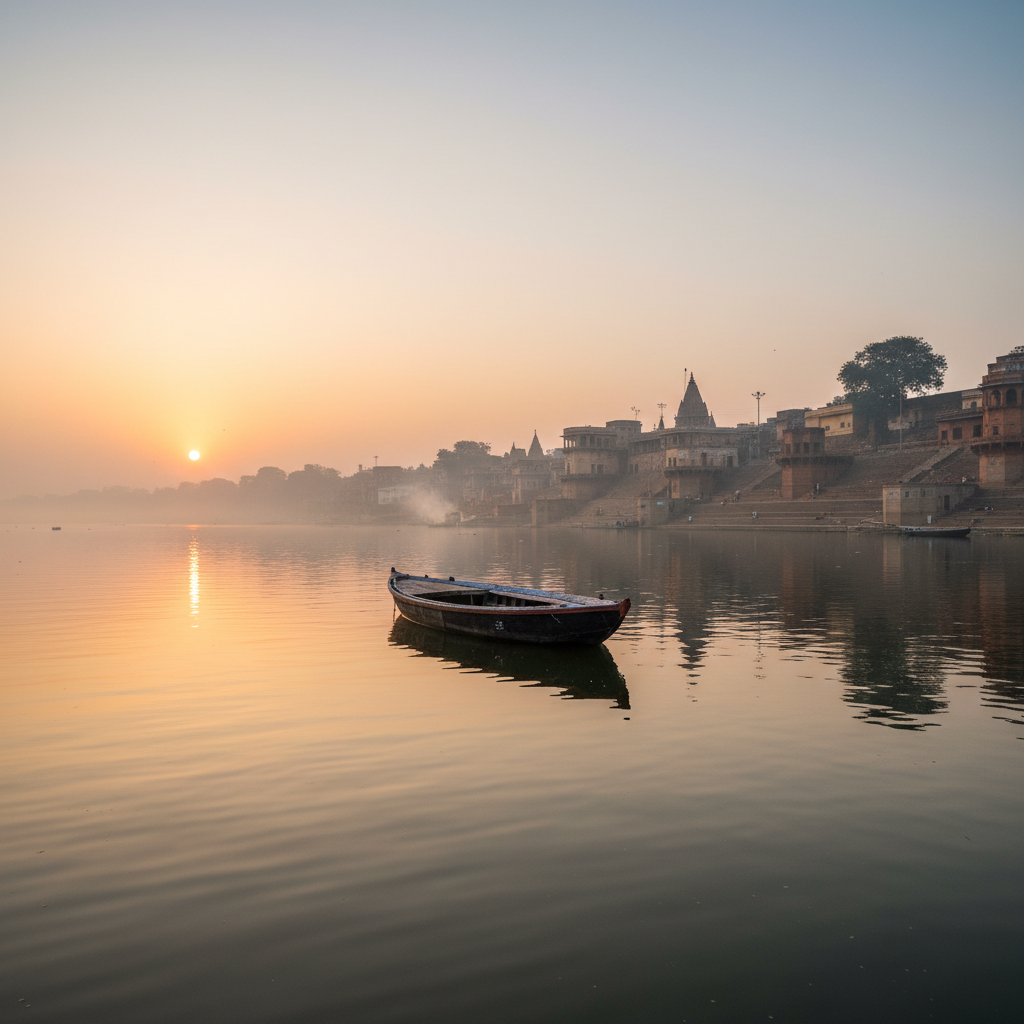
A boat journey provides the most comprehensive perspective of the city’s architectural continuity. An early morning boat ride, ideally timed for the pre-dawn light, offers an unobstructed view of the sunrise and the morning rituals. This remains the most serene way to experience the riverfront without the physical strain of trekking the entire bank.
Mode of Transport | Primary Advantage | Logistical Note |
|---|---|---|
Walking | Intimate access to small shrines and street food. | High physical demand; easy to get lost without a local guide. |
Boat | Panoramic views and efficient transit. | Best for sunrise; avoids the crowds on the steps. |
Cab | Rapid access to northern and southern extremities. | Essential for reaching Adi Keshav and the Kashi Vishwanath corridor. |
For locations like Adi Keshav, which sit at the far northern edge, we recommend a reliable cab booking to bypass the congested central districts. Savitri Tours and Travels manages these transitions by blending vehicle transfers with private boat segments in our Varanasi tour packages. Our custom itineraries ensure you reach the most sacred sites at the optimal times, handling the complexities of local traffic and boatman negotiations on your behalf.
Essential Rituals for First Time Pilgrims
Participating in rituals requires a focused understanding of their specific purpose and correct execution. The primary act for most is the Ganga Snan, the ritual immersion. For safety, perform the dip at ghats equipped with iron chains and designated changing rooms, such as Dashashwamedh or Assi Ghat. The current can be deceptively strong during certain seasons; staying within the barricaded areas is essential for your protection.
For those performing Pinda Daan, the ritual for honoring ancestors, Manikarnika Ghat remains the most sought-after location. Finding a verified priest, or Panda, is crucial to ensure the ceremony is conducted according to Vedic tradition without unnecessary financial pressure. These priests maintain hereditary records that can trace family lineages back generations. We often assist travelers in identifying reputable priests who hold these traditional records, a service included in our custom itineraries.
Deep Daan, the offering of a floating lamp, is a simpler yet profound practice. Best performed at twilight, these small clay lamps are released into the current with a silent prayer. This act symbolizes the surrendering of the ego and the offering of one's inner light to the divine.
A complete Varanasi sacred ghats pilgrimage guide must emphasize that the river rituals are inseparable from a visit to the Kashi Vishwanath Temple. The spiritual energy of the river culminates in the darshan of the Jyotirlinga. Because of the high volume of devotees, arranging a reliable cab booking to reach the temple corridor entrance early in the morning is the most efficient way to manage your schedule. Integrating temple visits with river rituals is a core component of our Varanasi tour packages, ensuring a cohesive spiritual experience for every pilgrim.
Local Tips for a Respectful and Safe Visit

To successfully navigate the spiritual landscape outlined in this Varanasi sacred ghats pilgrimage guide, specific local protocols ensure both safety and respect. Modesty is paramount; both men and women should ensure shoulders and knees remain covered to align with local temple standards. Footwear choices are equally critical. Opt for sturdy, easy to remove sandals or slip ons, as you will frequently transition between the stone steps, private boats, and temple interiors where shoes are strictly prohibited.
Handling the city’s intensity requires a calm demeanor. When approached by touts or aggressive beggars, maintain a firm no without engaging in extended conversation. For navigating the city beyond the riverfront, utilizing a reliable cab booking allows you to avoid unauthorized guides who often linger at major intersections.
Exercise caution regarding objects in the river. Many pilgrims encounter submerged Shivlings or stone icons near the ghats. You should never touch these without understanding specific local customs, as some are actively being worshipped and improper contact can be viewed as an act of desecration or a breach of ritual purity. Furthermore, the moss on these submerged stones is exceptionally slippery, posing a significant fall risk.
Timing your journey is the final logistical hurdle. The optimal window for a visit is between October and March when the weather is temperate. Outside these months, the heat can be prohibitive for the long walks required in our custom itineraries. Planning around this window ensures your participation in Varanasi tour packages remains focused on the spiritual experience rather than physical exhaustion.
Varanasi's ghats offer a profound spiritual journey that stays with you long after you leave. Navigating the ancient rituals, hidden stories, and local customs can be overwhelming for a first-time visitor. If you want expert help planning a seamless pilgrimage that honors the traditions of this sacred city, our team is ready to guide you. You can learn more about us and our commitment to providing authentic travel experiences. We believe that every traveler deserves a journey that is both comfortable and deeply meaningful.